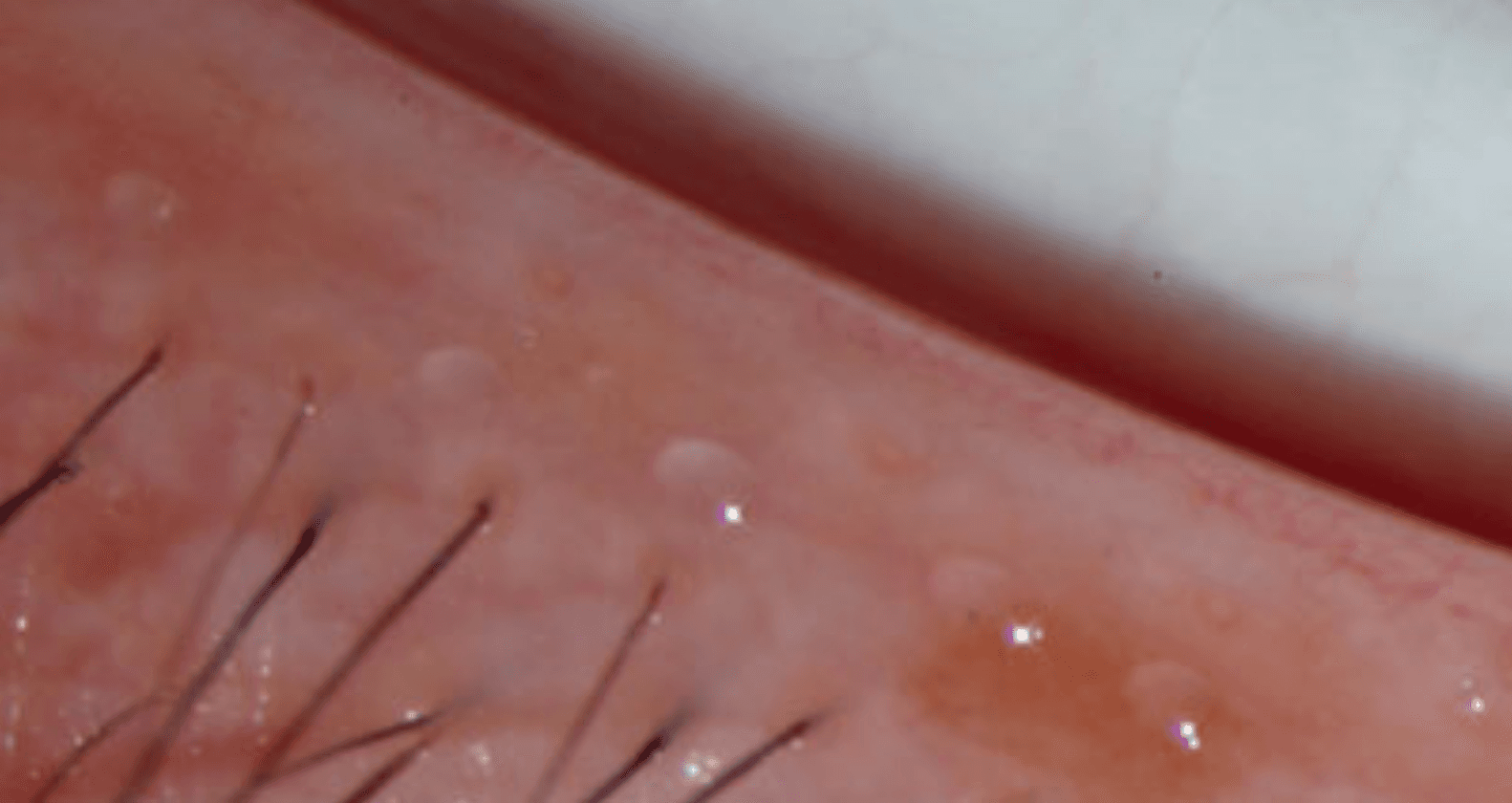
Clear, flowing oil supports a more stable tear film.
 Book appointment
 Dry eye treatment
Burning, grittiness, redness, watering, blurry vision, and contact lens discomfort can have more than one cause. A focused evaluation helps identify what is disrupting your tear film.
View live availability
Dry eye can have more than one cause. Your exam looks at the tear film, eyelids, glands, and eye surface before treatment is recommended.
The tear-film difference
Meibomian glands line the eyelids and release the oil layer of your tears. When that oil flows well, tears evaporate more slowly. When glands become blocked, tears can break apart too quickly—leaving eyes dry, irritated, and inconsistent.
Clear, flowing oil supports a more stable tear film.
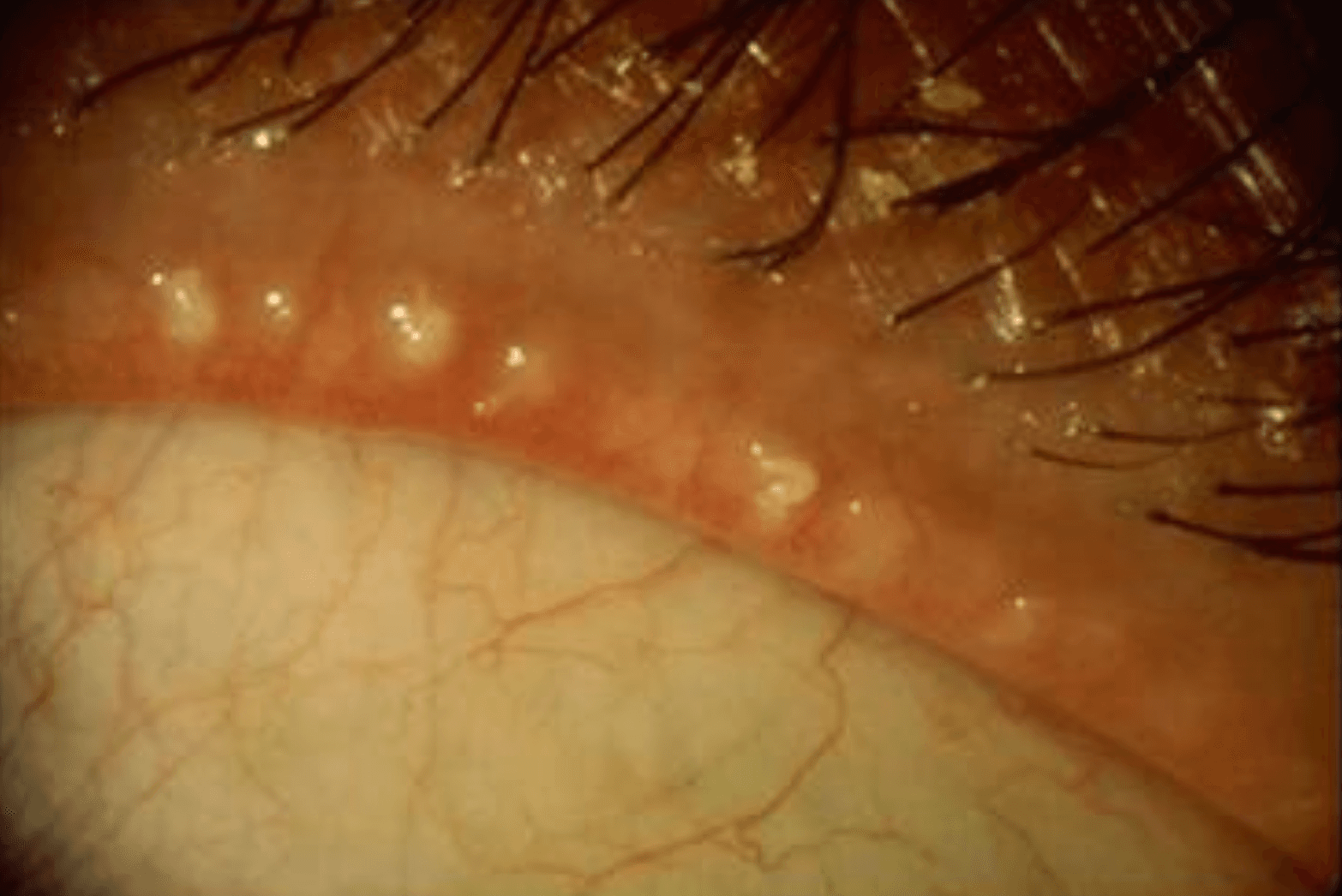
Thickened or obstructed oil can contribute to rapid evaporation.
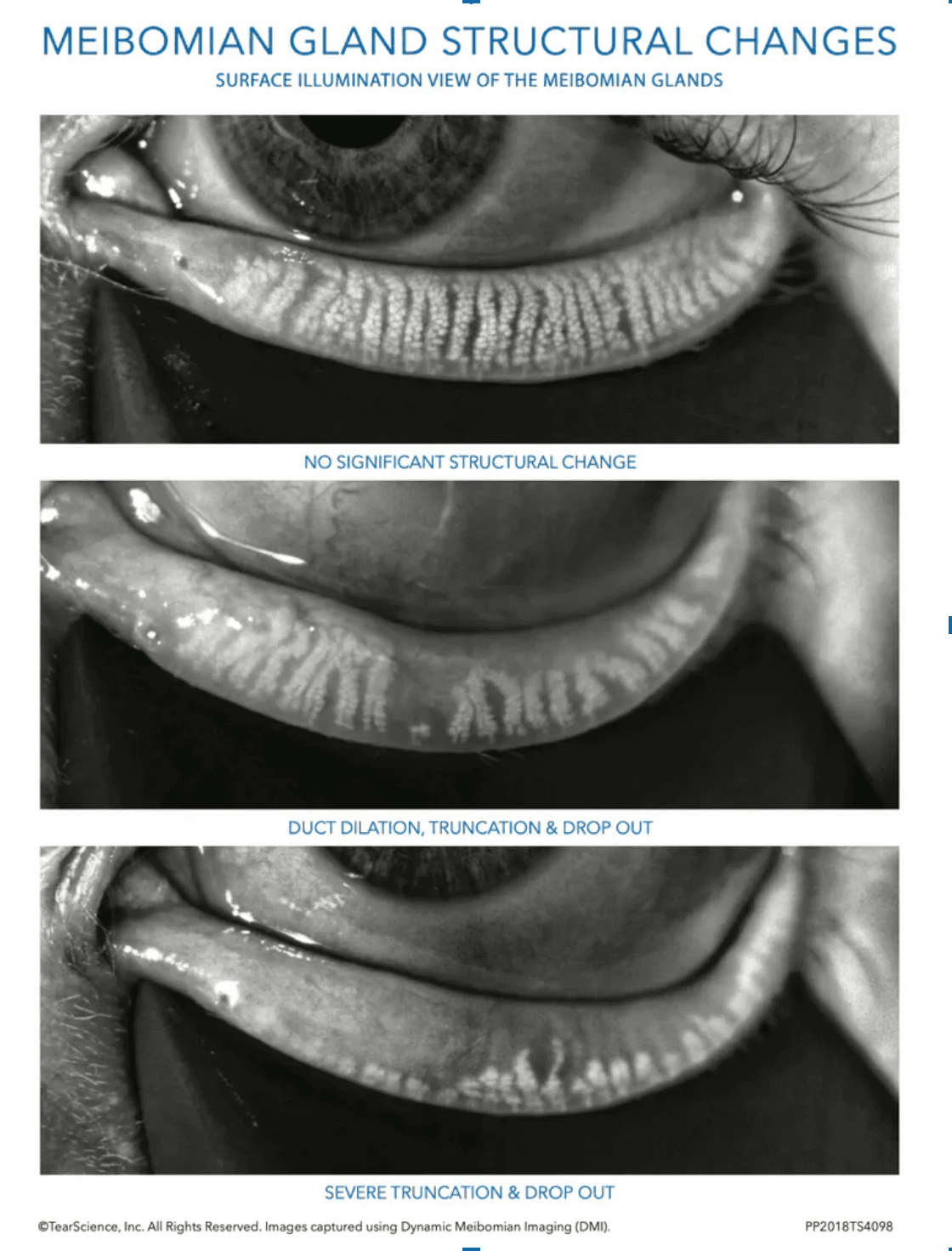
Meibography
Meibography is only one piece of the evaluation. We also assess tear-film stability, gland function and expressibility, oil quality, eyelid changes, inflammation, and the ocular surface to understand what is driving your symptoms.
A closer look
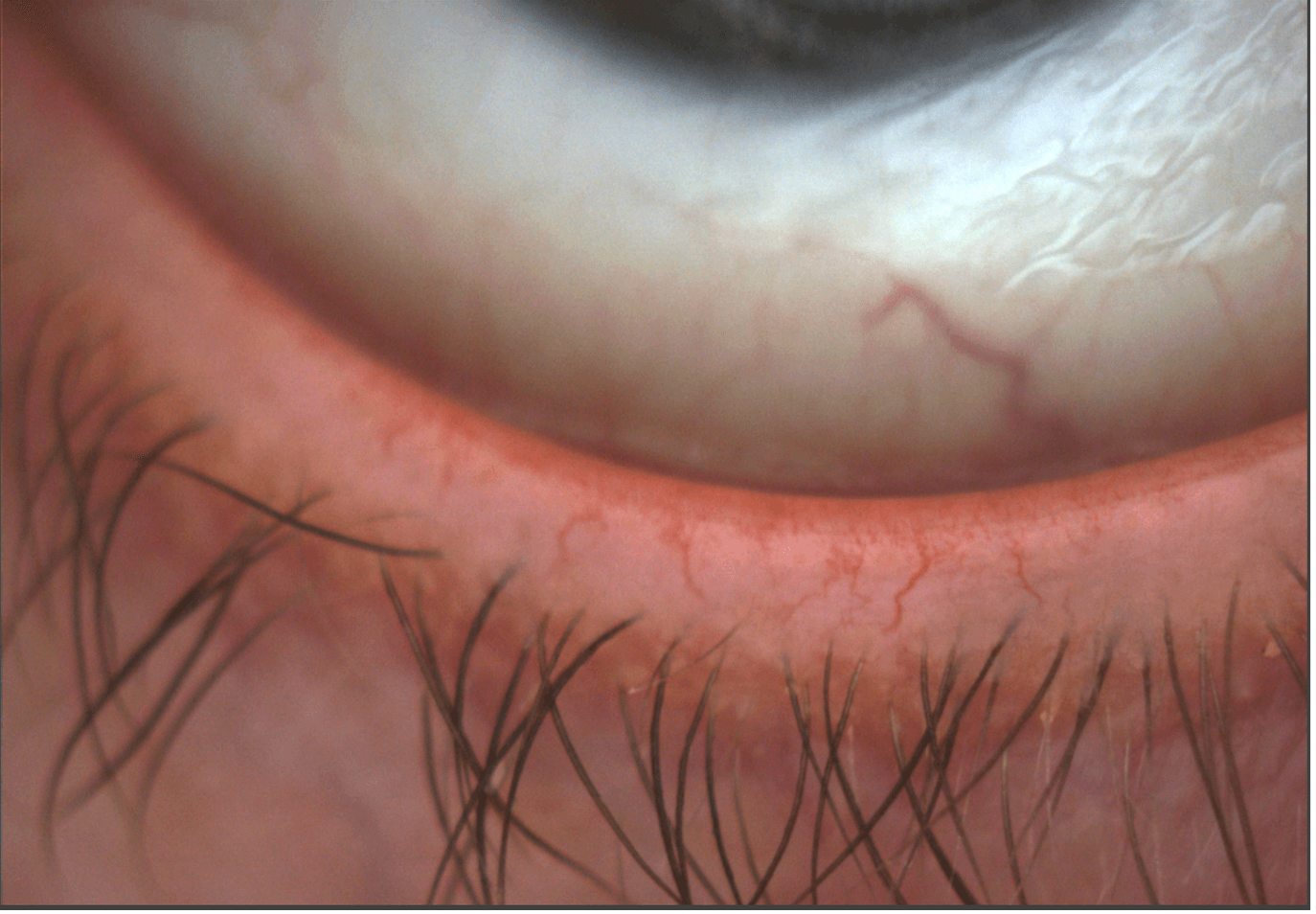
Dilated blood vessels can be a visible sign of chronic eyelid inflammation.
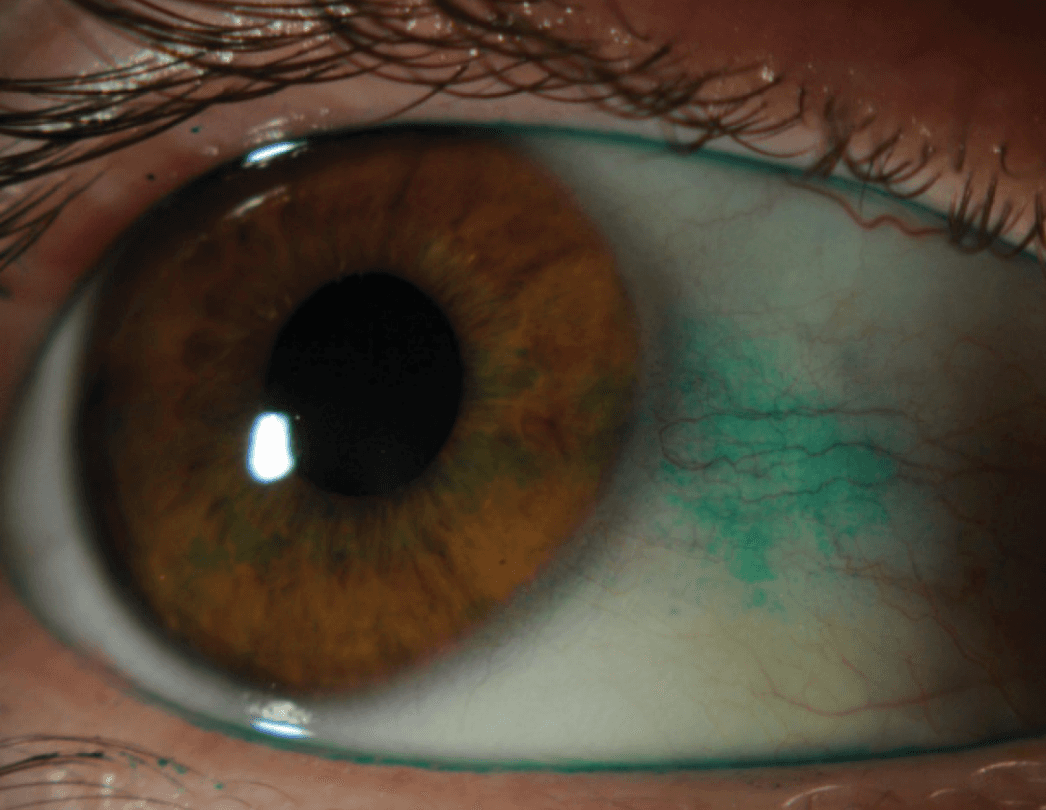
Staining helps reveal areas where the ocular surface is stressed or damaged.
This clinical reference shows how gland structure can range from no significant change to gland drop out.
Your treatment options
Targeted routines, lid hygiene, tear support, and environmental changes may help protect the ocular surface between visits.
Prescription treatments may be considered when your evaluation points to inflammation or another underlying contributor.
For more severe ocular-surface disease, scleral lenses can create a protective reservoir of preservative-free fluid over the cornea. Because we specialize in advanced scleral lens fitting, this option can be incorporated when traditional dry-eye treatment alone is not enough.
When appropriate, thermal RF or IPL may be incorporated into a clinician-led plan for gland dysfunction or inflammatory signs.
A four-step pathway
Identify the pattern behind your symptoms.
Build the right combination of options.
Track comfort, vision, and eye-health findings.
Refine the plan as your eyes respond.
Frequently asked questions
Dry eye can involve tear production, gland function, inflammation, eyelid health, medications, screen use, prior surgery, and more. Your evaluation helps identify the contributors that matter most for you.
Yes. Dry-eye symptoms can occur after eye surgery such as LASIK and alongside certain autoimmune conditions. Tell the team about your surgical and health history so it can inform your evaluation.
For appropriate patients, a scleral lens can hold a fluid reservoir over the cornea and may support comfort. Your evaluation determines whether it fits your needs.
No. Tell us what you feel and when it happens; we will evaluate the likely contributors.
Advanced treatment
Some evaluations point to Envision by InMode as an appropriate next step for gland dysfunction and eyelid inflammation. It is one option within a complete, individualized dry-eye care plan.
Explore Envision Dry Eye Treatment